
Fixtures and Surfaces Built to Last
Bathroom Remodeling in Southampton for outdated fixtures, water damage, inefficient layouts, and worn tile or vanities
Moisture intrusion behind shower enclosures creates soft spots in walls, grout deterioration allows water to reach subfloors, and outdated plumbing fixtures leak at connections or fail to maintain consistent water pressure. Bathroom remodeling addresses these failures by removing damaged materials, upgrading waterproofing systems, and installing fixtures designed for durability in high-moisture environments. BNJ Contracting handles bathroom projects in Southampton by focusing on moisture control strategies that prevent recurring damage, selecting materials suited for coastal humidity, and improving layouts that make better use of available space.
The remodeling process involves demolition of existing fixtures and finishes, inspection and repair of underlying structure and waterproofing, installation of updated plumbing and electrical systems, and precise tile work that ensures proper drainage and seals against moisture penetration. Each phase requires completion before the next begins—waterproofing must cure before tile installation, tile must set before grout application, and grout must cure before fixture mounting. Rushing these stages compromises the waterproof barrier that protects structural components from moisture damage.
Schedule a consultation to assess your bathroom's current condition and discuss remodeling options that address both function and durability in Southampton, Bridgehampton, Amagansett, and surrounding areas.
What You Notice Once Bathroom Remodeling Is Finished
Bathroom remodeling begins with removing fixtures, tile, and damaged substrate to evaluate framing condition, plumbing integrity, and ventilation adequacy. This stage reveals whether joists show signs of moisture damage, whether supply lines require replacement due to corrosion, and whether the existing vent fan moves sufficient air to control humidity. Addressing these issues before installing new finishes prevents situations where fresh tile and fixtures are applied over compromised structure that will fail again within a few years.
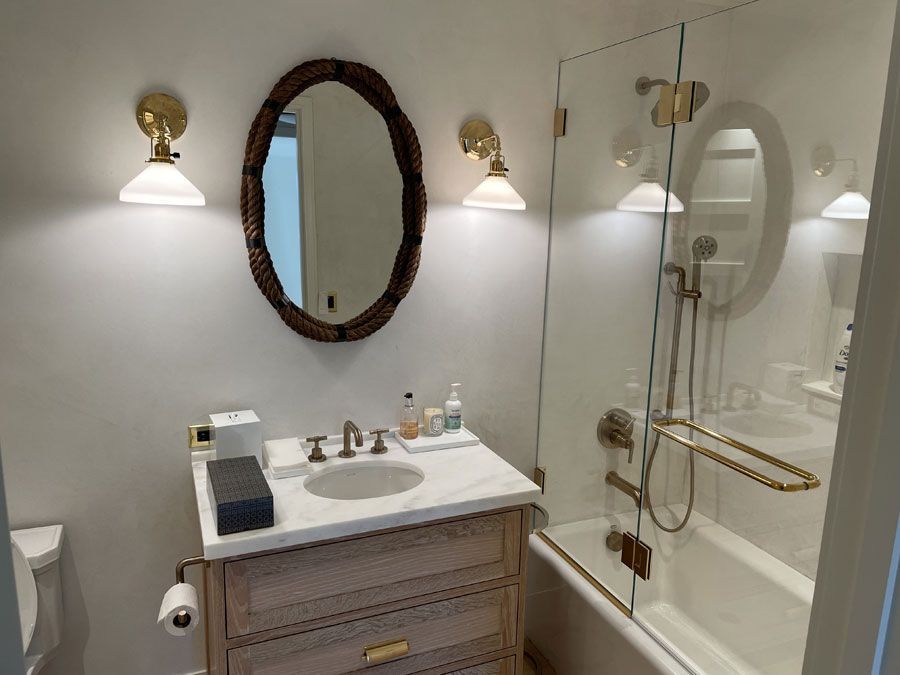
After remodeling completes, shower enclosures drain fully without standing water, tile surfaces show consistent grout lines without lippage between tiles, and fixtures operate smoothly without drips or temperature fluctuations. Vanity cabinets sit level and provide storage positioned where toiletries and linens are actually used, and lighting illuminates the mirror and shower areas without creating harsh shadows. The bathroom maintains lower humidity levels because ventilation was sized correctly and installed with ducting that exhausts outside rather than into attic spaces.
Bathroom remodeling includes full demolition, structural evaluation, waterproofing installation, tile work, fixture upgrades, and finish details. Projects accommodate both simple updates focused on fixtures and finishes, as well as full transformations involving layout changes, expanded shower areas, or additional storage solutions.
What Property Owners Usually Ask
Bathroom remodeling raises questions about moisture control, material selection, and how the work affects other areas of the home. These answers address common concerns for Southampton area homeowners planning bathroom upgrades.
What waterproofing methods prevent moisture damage behind tile?
Modern waterproofing uses membrane systems applied to substrate before tile installation, creating a continuous barrier that prevents water from reaching framing or subfloor. These membranes include corners and seams as vulnerable points, with overlapping applications and sealant ensuring water cannot penetrate joints.
How does tile selection affect maintenance and longevity?
Porcelain tile resists moisture absorption better than ceramic, reducing freeze-thaw damage risk in seasonal homes where heating is turned off during winter months. Larger format tiles reduce grout line quantity, minimizing maintenance and potential failure points where water can penetrate. Textured finishes on shower floors provide slip resistance without the deep grout joints that complicate cleaning.
What fixture upgrades improve daily function?
Thermostatic shower valves maintain consistent temperature without adjustment when water is used elsewhere in the home, while pressure-balancing valves prevent sudden temperature changes. Taller vanities eliminate the need to bend during use, and wall-mounted faucets simplify countertop cleaning by eliminating the base connection area where moisture and debris accumulate.
When does bathroom remodeling require structural work beyond cosmetic updates?
Structural work becomes necessary when subfloors show moisture damage, joists require reinforcement to support heavier tile materials, or plumbing relocations require cutting and reframing. Water stains on ceilings below bathrooms indicate active leaks that require immediate substrate inspection and repair before new finishes are installed.
How long should homeowners plan to have the bathroom out of service?
Timeline depends on project scope, but most bathroom remodels require one to three weeks from demolition through final fixture installation. Homes with multiple bathrooms can schedule work to maintain access to at least one functional bathroom throughout the project.
BNJ Contracting completes bathroom remodeling projects with attention to moisture control, durable materials, and efficient timelines that minimize disruption. Request a consultation to review your bathroom's current condition and discuss upgrade options tailored to your property.