
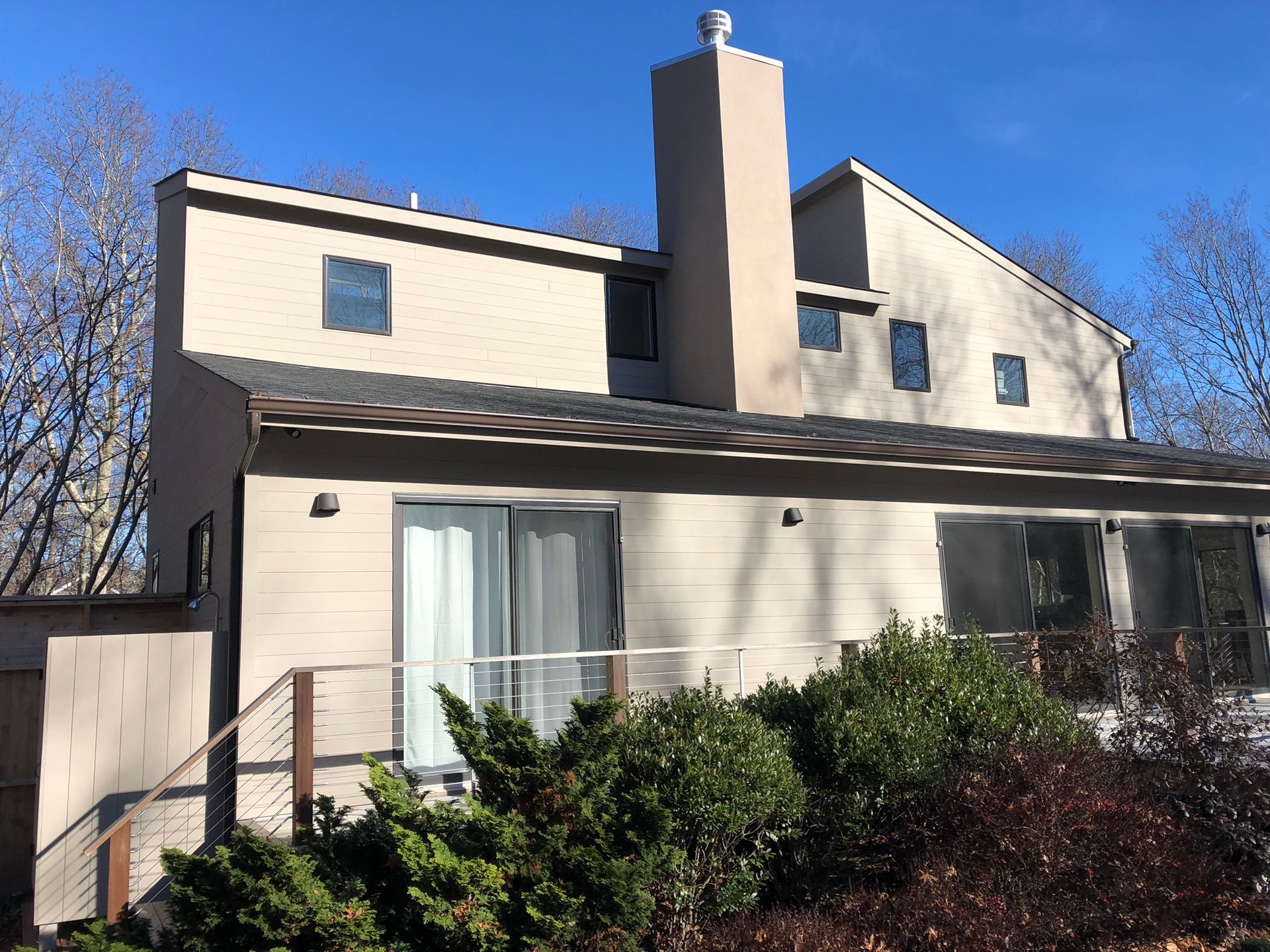
Construction Built Around How You Use Your Home
Residential Contracting Services in Southampton for properties requiring renovation, expansion, or ground-up construction
BNJ Contracting handles residential construction projects in Southampton, East Hampton, Amagansett, and surrounding areas that range from single-room upgrades to complete home builds, with planning tailored to whether the property serves as a year-round residence or a seasonal retreat. Coastal environments place different demands on materials and construction methods than inland locations, particularly regarding moisture exposure, salt air corrosion, and wind load requirements. The approach adjusts based on how often the home is occupied, what systems need to withstand extended vacancy periods, and how the property's layout supports the way you actually live in the space.
Residential contracting involves coordinating structural work, mechanical systems, interior finishes, and exterior details in a sequence that prevents delays and rework. Each phase builds on the previous stage, so planning the order of trades, material delivery schedules, and inspection points determines whether the project stays on timeline. The process accounts for property-specific factors such as existing foundation conditions, load-bearing wall locations, utility access points, and how new construction integrates with what remains.
Schedule a consultation to review your property's current condition and discuss construction options that align with your timeline.
What Proper Residential Construction Requires
The construction process begins with evaluating the existing structure to identify what can be preserved, what requires reinforcement, and what needs replacement before new work begins. This evaluation determines the scope of demolition, whether foundation work is necessary, and how utility systems will be rerouted or upgraded. Decisions at this stage affect both the project budget and the final result, since attempting to build on inadequate framing or outdated electrical systems creates complications that surface only after walls are closed.
Once construction is complete, you'll notice that doors close squarely without sticking, floors sit level without dips or bouncing, and trim joints align without visible gaps. Electrical outlets and switches are positioned where they're actually needed rather than where previous owners placed them, and plumbing fixtures operate without leaks or pressure fluctuations. The home functions as a cohesive system rather than a collection of disconnected rooms, with heating and cooling distributed evenly and natural light entering spaces that previously felt closed off.
Full-service residential construction includes managing permits, coordinating inspections, and maintaining communication with homeowners throughout each phase. The work encompasses everything from initial planning through final walkthroughs, with oversight of all trades to maintain quality standards and project timelines. Changes to the original plan are documented and reviewed before implementation to avoid miscommunication about what was agreed upon versus what gets built.
Questions Before Starting Your Project
Residential construction projects raise questions about timelines, material choices, and how the work will affect daily routines. The following answers address common concerns for homeowners in Southampton planning renovations or new builds.
What distinguishes construction for year-round homes versus seasonal properties?
Year-round residences require insulation, HVAC systems, and moisture barriers designed for continuous heating cycles and occupied humidity levels, while seasonal homes prioritize durability during extended vacancy periods, freeze protection for plumbing systems, and materials that resist moisture intrusion when the property sits unheated for months.
How does coastal location affect material selection?
Salt air accelerates corrosion on metal fasteners, flashing, and hardware, requiring stainless steel or coated alternatives instead of standard galvanized materials. Exterior wood needs factory-primed options or naturally rot-resistant species, and paint systems must include mildew-resistant primers formulated for high-humidity environments.
What happens during the planning phase before construction starts?
Planning involves reviewing your goals for the space, evaluating the existing structure's condition, developing layouts that improve traffic flow and functionality, selecting materials and finishes, and establishing a construction sequence that minimizes disruption while keeping the project on schedule.
When should renovations be scheduled to avoid seasonal complications?
Construction in Southampton benefits from scheduling exterior work during dry months when weather delays are less frequent, while interior renovations can proceed year-round. Projects involving foundation work or roofing should avoid winter months when ground freezing and precipitation create complications.
How does project communication work during construction?
Communication includes regular updates on progress, advance notice before trades arrive, documentation of any issues discovered during demolition, and review of material selections before installation to confirm choices match expectations.
BNJ Contracting coordinates all phases of residential construction from initial planning through final finishes, with experience managing projects in both year-round and seasonal coastal properties. Request a consultation to discuss your specific construction needs and develop a plan tailored to how you use your home.