
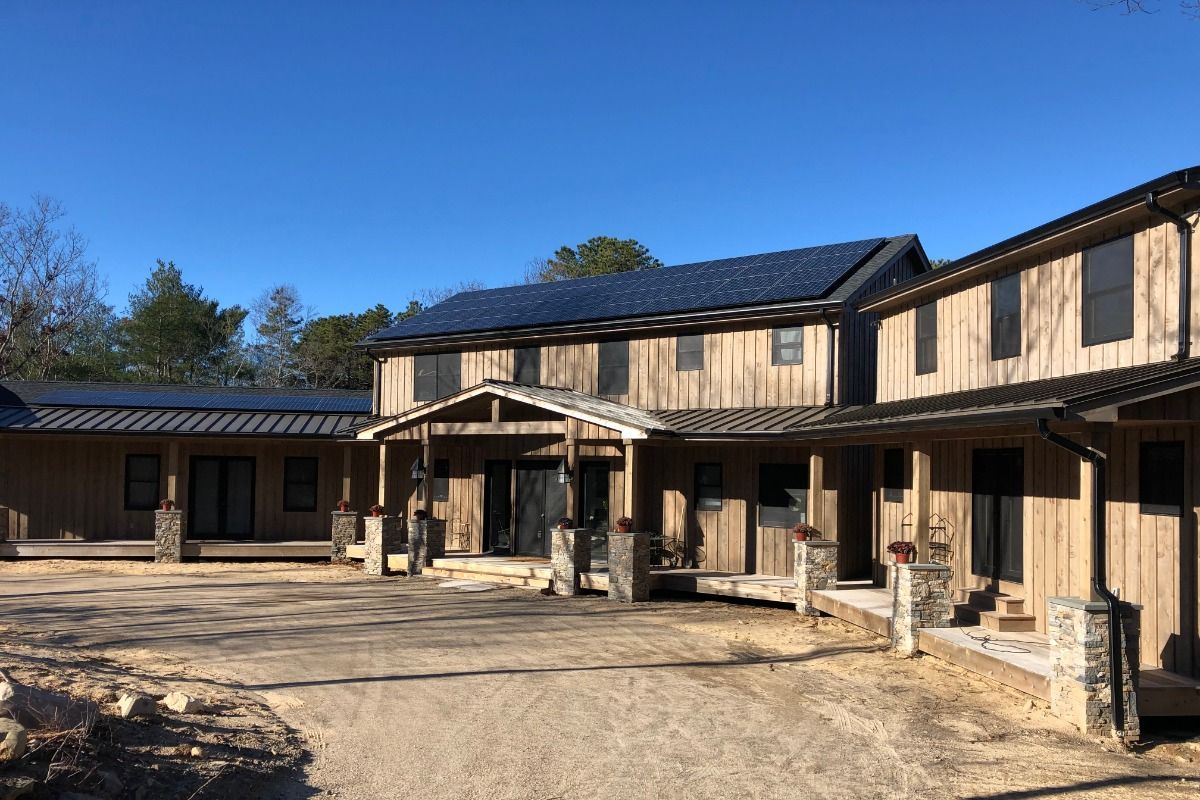
Projects Planned Around Operational Continuity
Commercial Contracting Services in Southampton for business renovations, build-outs, and facility upgrades
A business renovation differs from residential work because the building remains partially operational during construction, or the timeline directly affects revenue if operations must pause. BNJ Contracting manages commercial projects in Southampton by sequencing work to minimize disruption, coordinating multiple trades to prevent scheduling conflicts, and maintaining communication with business owners about what happens each day. The approach accounts for when customers or employees are present, where deliveries need access, and which building systems must remain functional throughout construction in Southampton, Hampton Bays, and surrounding areas.
Commercial contracting involves managing build-outs for retail spaces, office renovations, facility upgrades, and structural modifications that meet local building codes and accessibility requirements. The process includes coordinating inspections at required stages, ensuring fire safety systems remain operational, and scheduling noisy or disruptive work during hours that won't interfere with business activity. Projects stay on timeline when material orders arrive as scheduled, trades complete their phases without overlapping into the next crew's work area, and issues discovered during demolition are resolved immediately rather than delaying subsequent stages.
Arrange a consultation to review your facility's current layout and discuss commercial construction options that accommodate your operational requirements.
How Commercial Construction Maintains Business Operations
Commercial projects require advance planning to isolate construction zones from active business areas, schedule work during off-hours when necessary, and phase the project so the building remains accessible and safe. This involves temporary barriers, dedicated routes for construction traffic, and coordination with local regulations that govern commercial construction activity in Southampton. Managing multiple trades simultaneously requires clear communication about who works in which area on which days, preventing situations where the electrician needs wall access the same day the framer is closing it up.
After construction completes, the business operates in a space designed for current needs rather than adapted from a layout intended for a previous tenant or outdated workflow. Electrical capacity supports modern equipment loads, HVAC systems maintain consistent temperatures in areas where customers and employees spend time, and floor plans accommodate traffic patterns without bottlenecks. The facility meets current code requirements for accessibility, egress, and fire safety rather than relying on grandfathered exceptions that could complicate future modifications.
Commercial contracting includes managing permits, scheduling inspections, and coordinating all trades from demolition through final finishes. Experience with local building requirements reduces delays from permit revisions or failed inspections, while proactive communication keeps business owners informed about progress and any adjustments needed to maintain the timeline.
Answers to Frequent Service Questions
Commercial construction raises concerns about timelines, budget management, and minimizing disruption to business operations. These answers address common questions from business owners in Southampton planning facility renovations or build-outs.
How are commercial projects scheduled to avoid business disruption?
Scheduling prioritizes completing work during off-hours, isolating active construction zones from operational areas, and phasing the project so critical business functions continue. High-noise activities like demolition or concrete cutting are scheduled when the building is unoccupied or during agreed-upon windows that minimize customer impact.
What local regulations affect commercial construction in Southampton?
Commercial projects must comply with building codes covering structural modifications, electrical and plumbing systems, fire safety requirements, and accessibility standards. Permitting timelines vary based on project scope, and inspections occur at specific stages before work can proceed to the next phase.
How does managing multiple trades prevent delays?
Trade coordination involves scheduling each crew's work to complete before the next trade begins, ensuring materials arrive when needed rather than sitting in storage, and addressing conflicts immediately when one phase uncovers issues affecting the next. Clear daily communication prevents situations where trades show up simultaneously and interfere with each other's work.
What factors affect commercial project timelines?
Timeline depends on project scope, permit approval duration, material lead times, inspection scheduling, and whether demolition reveals unexpected conditions requiring additional work. Projects stay on schedule when planning accounts for these variables and includes contingency time for unforeseen complications.
When should equipment or inventory be relocated before construction starts?
Relocation timing depends on the construction schedule and which areas are affected first. Items should be moved from active construction zones before demolition begins, with a plan for temporary storage or operational adjustments during the work period.
BNJ Contracting handles commercial projects with attention to timelines, budget management, and maintaining business operations during construction. Contact us to discuss your facility's needs and receive a project estimate based on your specific requirements.